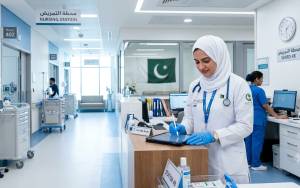
Nursing Jobs in Germany for Foreign Nurses
Germany offers career opportunities for nurses who trained outside the country, but working there as a qualified nurse involves more than finding a hospital willing to hire you.
Nursing is a regulated profession in Germany. Foreign-trained nurses generally need to have their professional qualifications recognised and meet the requirements for permission to practise. Nurses coming from outside the EU or EFTA also need to consider Germany's immigration and residence requirements.
The process can take time, so it helps to understand recognition, language requirements, employment and immigration before accepting a job offer or making travel plans.
What Foreign Nurses Need to Work in Germany
Foreign-trained nurses who want to work as qualified nursing professionals normally need recognition of their professional qualification.
The recognition application is handled by the competent authority for the place in Germany where you intend to work. The authority compares your education and professional qualifications with the relevant German qualification and determines whether they are equivalent.
The result will depend on your individual qualifications and documents. Possible outcomes may include:
Full recognition: Your professional qualification meets the applicable recognition requirements.
Differences identified: The authority identifies substantial differences that may need to be addressed through an adaptation measure or examination.
Recognition not granted: The requirements for recognition have not been met.
Processing times vary. Germany's official recognition information provides expected processing periods for individual procedures, but applicants should check the current information for their profession and competent authority rather than planning around a fixed timeline.
Start the process through Germany's official professional-recognition information service and confirm which authority is responsible for your application.
German Language Requirements for Nurses
German-language ability is an important part of working safely and professionally as a nurse in Germany.
Nurses need to communicate with patients and their families, understand clinical instructions, work with doctors and other healthcare professionals, and document patient care accurately.
For professional recognition, nurses are commonly expected to demonstrate German language ability at approximately B2 level under the Common European Framework of Reference for Languages (CEFR). However, applicants should not assume that one certificate or requirement applies in every situation.
The competent authority determines the evidence required for the recognition procedure. Accepted language certificates and other requirements can vary, so check the current rules for the German state and recognition authority handling your application.
If you are still learning German, begin preparing early rather than waiting until you receive a job offer.
What If Your Qualification Is Not Fully Recognised?
A recognition decision that identifies differences does not necessarily mean that you must repeat your entire nursing education.
The competent authority may identify substantial differences between your foreign qualification and the German reference qualification. Depending on the decision, you may have an opportunity to address those differences through an adaptation programme, examination or another compensatory measure.
The exact requirements depend on your individual recognition decision.
Once you successfully complete the required measure and satisfy the remaining requirements, you may be able to continue toward full professional recognition.
This is why it is important to read your recognition decision carefully rather than relying only on advice from an employer or recruitment agency.
Immigration Options for Non-EU Nurses
Recognition of your professional qualification and permission to enter and work in Germany are related but separate matters.
Citizens of EU and EFTA countries generally have different freedom-of-movement arrangements from applicants coming from third countries.
If you are from outside the EU or EFTA, you will generally need an appropriate German visa or residence title before working in Germany.
The correct immigration route depends on factors including your:
Nationality
Qualification
Recognition status
Employment offer
Purpose of entering Germany
Individual circumstances
Always check the current immigration requirements through Germany's official government sources before travelling or paying for immigration-related services.
If Your Qualification Has Been Recognised
A nurse whose foreign professional qualification has been recognised and who meets the other professional requirements may be able to pursue qualified employment in Germany.
For third-country nationals, an appropriate residence title will normally also be required.
A genuine employment offer can be an important part of the immigration process, but having a job offer alone does not automatically provide professional recognition or permission to work.
Check both the professional recognition requirements and the immigration requirements that apply to you.
If Further Recognition Measures Are Required
Some foreign nurses receive a recognition decision requiring additional training, an adaptation measure or an examination.
Germany provides immigration pathways that may be relevant to certain foreign professionals completing qualification-recognition measures. One route is associated with Section 16d of the German Residence Act.
There is also a recognition partnership route for eligible applicants in certain circumstances. This can allow aspects of the recognition process to continue after entering Germany while the applicant works under the applicable conditions.
These pathways have eligibility requirements and should not be treated as automatic visa options.
Check the current requirements with Germany's official immigration authorities before applying.
Where Can Foreign Nurses Work in Germany?
Depending on professional recognition, experience, language ability and the position available, nurses may find opportunities in settings such as:
Public hospitals
Private hospitals
Residential care facilities
Rehabilitation facilities
Outpatient nursing services
Elderly-care organisations
Specialist healthcare facilities
Other organisations employing qualified nursing professionals
Job availability varies by region, employer and specialty. Instead of restricting your search to one major city, consider opportunities across different German states and healthcare organisations.
Germany has a substantial nursing workforce that includes professionals from outside the country. Official German skilled-worker information also identifies nursing and healthcare as important areas for international recruitment.
Because workforce statistics and vacancy numbers change, check the latest figures directly from official German sources rather than relying on an older article or recruitment advertisement.
Documents to Prepare
Recognition authorities and employers can request different documents, but preparing your professional records early can make the process easier.
You may need documents such as:
Passport or identification documents
Nursing diploma or degree
Academic transcripts
Evidence of professional training
Professional registration documents
Employment certificates
Evidence of clinical experience
German-language certificate
CV
Other documents requested by the competent authority
Some documents may need to be translated or provided in a particular form. Follow the instructions issued by the authority handling your recognition application.
Do not pay for unnecessary translations or document services before confirming what the authority actually requires.
Prepare a Professional Nursing CV
Your CV should make it easy for a German healthcare employer to understand your professional background.
Include relevant information such as:
Nursing education
Professional registration
Clinical experience
Current and previous employers
Nursing specialties
Certifications
Relevant training
German-language ability
Other languages where relevant
Keep the information accurate. Do not describe yourself as licensed or recognised in Germany unless you have actually completed the applicable process.
Research Employers Before Accepting an Offer
International recruitment can involve employers, recruitment agencies, immigration advisers and other organisations.
Before accepting a position, verify who is actually employing you and understand the terms of the offer.
Check:
Employer name and location
Job title
Salary or compensation
Working hours
Responsibilities
Contract duration
Probation terms where applicable
Accommodation arrangements, if offered
Recognition support
Language-training support
Relocation arrangements
Any fees you are expected to pay
Ask questions if the written contract differs from what a recruiter told you.
Be Careful With Recruitment Promises
Moving internationally for a healthcare job is a significant decision. Do not rely solely on promises made through social media, messaging apps or unofficial recruiters.
Be cautious if someone:
Guarantees that your German nursing qualification will be recognised
Guarantees a visa
Claims you can work as a fully qualified nurse without meeting professional requirements
Says German-language requirements can simply be ignored
Requests large unexplained payments
Refuses to identify the actual employer
Provides a contract that does not match the advertised position
Pressures you to pay immediately
Asks you to submit sensitive documents without explaining why they are needed
Recognition decisions are made by the relevant authorities, not by recruiters.
Visa and residence decisions are also made by the responsible German authorities.
Verify important information independently before paying money, resigning from your current job or making travel arrangements.
A Practical Route for Foreign Nurses
Although every applicant's situation is different, a typical pathway may look like this:
Research nursing recognition requirements in Germany.
Identify the competent recognition authority for where you intend to work.
Prepare your nursing and educational documents.
Develop the required German-language ability.
Submit your recognition application.
Receive the authority's recognition decision.
Complete an adaptation measure or examination if required.
Meet the remaining requirements for professional practice.
Find suitable nursing employment.
Complete the appropriate immigration process if you are a third-country national.
Begin employment once the required professional and immigration permissions are in place.
The order can differ depending on your nationality, recognition status, employer and immigration route.
Official Resources for Foreign Nurses
Because professional recognition and immigration rules can change, use official German government information when making decisions.
Useful official resources include:
Recognition in Germany (Anerkennung in Deutschland): Use this to research recognition of foreign professional qualifications and find the competent recognition authority.
Make it in Germany: Germany's official portal for international skilled workers, with information about nursing, recognition, employment and immigration.
German Federal Foreign Office: Check current visa information and guidance for entering Germany.
Federal Employment Agency: Use official employment information when researching the German labour market.
When you publish this article, make the names above clickable links to the current official government pages. Verify the destination before adding each link because government URLs and guidance can change.
Finding Nursing Jobs in Germany
Once you understand your recognition pathway, you can begin researching suitable employers and vacancies.
Don't choose a position based only on salary. Consider the responsibilities, working hours, location, recognition support, contract terms and whether the employer has experience working with internationally trained nurses.
You can also browse current nursing and healthcare vacancies on Curabix while separately verifying recognition and immigration requirements through Germany's official government resources.
Final Thoughts
Germany can provide a realistic career path for internationally trained nurses, but there is no shortcut around professional recognition, language requirements and, where applicable, immigration rules.
Start by understanding how your qualification will be assessed. Prepare your documents and German-language skills early, research employers carefully, and verify important requirements directly with the responsible German authorities.
Most importantly, treat recognition, employment and immigration as separate parts of the process. A job offer does not automatically guarantee professional recognition, and professional recognition does not automatically guarantee a visa.
Taking the time to verify each step can help you make a safer and better-informed decision about building your nursing career in Germany.
Note: This guide provides general career information and is not legal, immigration or professional-licensing advice. Requirements can change and individual circumstances differ. Verify current requirements with the relevant German authorities before making employment, immigration or financial decisions.