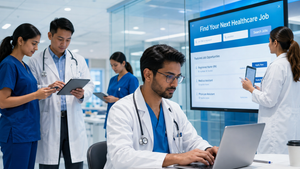
Finding the right healthcare job in 2026 is not only about having a medical degree or submitting hundreds of applications. The healthcare industry is evolving rapidly, and employers are looking for professionals who bring a combination of clinical knowledge, practical experience, communication skills, and the ability to adapt to new technologies.
For doctors, nurses, pharmacists, technicians, and other healthcare professionals, the job market offers many opportunities. However, competition is also increasing. Many qualified candidates struggle to find suitable positions because they do not know how to present their skills, where to search, or what healthcare employers truly value.
Whether you are a fresh graduate looking for your first medical role or an experienced professional planning your next career move, having the right strategy can help you find better opportunities and build a successful healthcare career.
Understanding the Healthcare Job Market in 2026
Healthcare continues to be one of the fastest-growing industries worldwide. Aging populations, increasing demand for medical services, and advancements in healthcare technology are creating new career opportunities.
Hospitals, clinics, healthcare organizations, and digital health companies are searching for skilled professionals who can provide quality patient care while adapting to modern healthcare systems.
Some healthcare roles expected to remain in high demand include:
Registered nurses and specialized nurses
Doctors and medical specialists
Healthcare assistants
Medical laboratory professionals
Pharmacists
Radiology technicians
Physiotherapists
Mental health professionals
Healthcare technology specialists
The healthcare industry is also expanding beyond traditional hospitals. Telemedicine, remote patient monitoring, healthcare software, and digital health platforms are creating new career paths for medical professionals.
Identify the Right Healthcare Career Path
Before searching for jobs, it is important to understand your career goals. Many professionals make the mistake of applying for every available position without considering whether the role matches their skills and future plans.
Start by asking yourself:
Do I want to work in a hospital, clinic, research center, or healthcare company?
Do I prefer patient care or administrative healthcare roles?
Which medical specialty interests me the most?
Am I looking for local opportunities or international healthcare jobs?
For example, a nurse with emergency department experience may find better opportunities by focusing on hospitals with emergency care facilities rather than applying randomly for unrelated positions.
A clear career direction helps you target the right employers and increases your chances of finding a job that matches your professional goals.
Build a Strong Healthcare Professional Profile
In today's digital hiring environment, your professional profile plays an important role in attracting employers. Healthcare recruiters often review candidate profiles before deciding who to contact.
A complete healthcare profile should include:
Professional summary
Education history
Medical certifications
Work experience
Clinical skills
Healthcare licenses
Specialized training
Languages
Career objectives
Instead of simply writing:
"Worked as a nurse for five years."
Create a stronger professional description:
"Experienced registered nurse with five years of hospital experience specializing in patient care, clinical assessment, emergency response, and healthcare team collaboration."
A detailed profile helps employers understand your experience and professional value.
Create a Healthcare Resume That Gets Attention
Your resume is often the first impression an employer receives. A well-written healthcare resume should be clear, professional, and focused on your medical experience.
Important sections include:
Professional Summary
Write a short introduction explaining your healthcare background, expertise, and career goals.
Clinical Experience
Mention hospitals, departments, responsibilities, and achievements.
For example:
Managed patient care activities in a busy emergency department.
Assisted doctors during medical procedures.
Maintained accurate patient records.
Provided education and support to patients and families.
Certifications and Training
Healthcare employers value professionals who continue learning. Include relevant certifications, workshops, and professional development courses.
Skills
Highlight both medical and professional skills, such as:
Patient care
Medical documentation
Clinical assessment
Communication
Healthcare technology
Team collaboration
A customized resume created for each job opportunity usually performs better than a generic resume sent everywhere.
Use Healthcare Job Platforms Effectively
Many healthcare professionals depend only on general job websites, but specialized healthcare job platforms can provide more relevant opportunities.
Healthcare-focused platforms connect medical professionals with hospitals, clinics, and healthcare organizations searching for qualified candidates.
To improve your job search:
Create a complete profile.
Upload an updated resume.
Add your certifications and experience.
Set job alerts.
Apply consistently.
Research employers before applying.
Finding the right healthcare job is not only about applying more. It is about applying to the right opportunities.
Develop Skills That Healthcare Employers Value
Medical knowledge is essential, but modern healthcare requires additional skills.
Healthcare employers increasingly value professionals who can combine medical expertise with technology and communication abilities.
Some important skills for healthcare professionals in 2026 include:
Communication Skills
Healthcare workers interact with patients, families, doctors, and medical teams every day. Strong communication improves patient care and teamwork.
Technology Skills
Hospitals are adopting electronic medical records, healthcare software, and digital healthcare solutions. Professionals who understand technology have an advantage.
Problem-Solving Ability
Medical environments often require quick decisions and effective solutions during challenging situations.
Leadership Skills
Experienced healthcare professionals who can guide teams and manage responsibilities are highly valued.
Continuous learning and skill development can significantly improve your career opportunities.
Build Your Healthcare Network
Networking is one of the most effective ways to discover career opportunities.
Many healthcare jobs are found through professional connections, recommendations, and industry relationships.
You can build your network by:
Connecting with healthcare professionals.
Joining medical communities.
Attending healthcare events.
Following hospitals and healthcare organizations.
Sharing professional knowledge online.
Networking is not only about finding jobs. It is about building relationships that support your long-term career growth.
Prepare for Healthcare Job Interviews
A strong interview can make a major difference in your job search.
Healthcare employers want to know more than your qualifications. They want to understand your professionalism, communication style, and ability to handle real-world situations.
Common healthcare interview questions include:
Tell us about your healthcare experience.
Why do you want to work with our organization?
How do you handle stressful situations?
Describe a challenging patient-care experience.
How do you work within a healthcare team?
When answering interview questions, use examples from your actual experience. Real situations demonstrate your skills better than general statements.
Common Mistakes Healthcare Professionals Should Avoid
Many qualified candidates miss opportunities because of simple mistakes.
Avoid these common problems:
Using the Same Resume Everywhere
Different healthcare roles require different skills. Customize your resume according to the position.
Ignoring Your Online Profile
A complete professional profile increases your visibility to recruiters.
Not Updating Certifications
Healthcare standards continue changing. Regular training shows commitment to your profession.
Applying Without Research
Learn about the hospital, clinic, or organization before applying.
Focusing Only on Salary
Salary is important, but career growth, workplace environment, and learning opportunities also matter.
Healthcare Career Trends in 2026
Healthcare professionals should understand the major trends shaping the industry.
Growth of Telemedicine
Remote healthcare services are becoming more common, creating opportunities for professionals who understand digital healthcare.
Increased Healthcare Technology
Artificial intelligence, electronic records, and healthcare software are changing how medical services are delivered.
Demand for Specialized Professionals
Healthcare employers increasingly need professionals with specialized knowledge and advanced skills.
International Career Opportunities
Many countries continue to recruit qualified healthcare professionals due to workforce shortages.
Understanding these trends can help professionals prepare for future opportunities.
Frequently Asked Questions
What healthcare jobs are most in demand in 2026?
Nurses, doctors, healthcare technicians, pharmacists, and healthcare technology professionals continue to have strong career opportunities.
How can fresh graduates find healthcare jobs?
Fresh graduates should focus on building experience through internships, entry-level roles, certifications, and professional networking.
Do healthcare professionals need online profiles?
Yes. A professional online profile helps recruiters discover qualified candidates and understand their experience.
What skills should healthcare workers learn in 2026?
Healthcare technology, communication, patient management, and digital healthcare skills are becoming increasingly valuable.
How can I find international healthcare opportunities?
Research country-specific licensing requirements, improve your professional profile, gain relevant experience, and apply through trusted healthcare job platforms.
Conclusion
Finding the right healthcare job in 2026 requires more than qualifications alone. Successful healthcare professionals combine medical expertise, professional branding, continuous learning, and a smart job search strategy.
The healthcare industry offers exciting opportunities for those who are prepared. Whether you are starting your career or looking for your next professional challenge, focus on improving your skills, building a strong profile, and connecting with the right employers.
The best career opportunities are not always found by applying everywhere. They are found by understanding your value and connecting with opportunities that match your goals.